
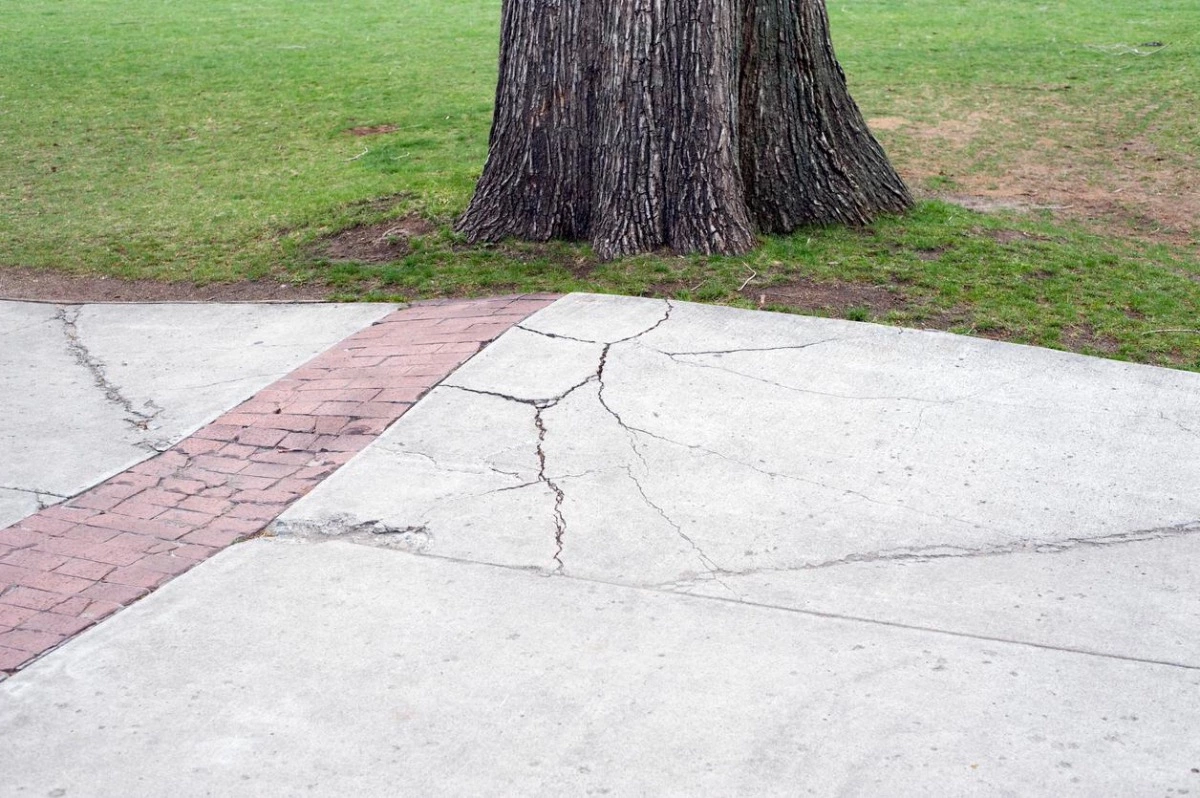
Tree roots can quietly cause serious damage to driveways, paths, patios, and even nearby walls. Many homeowners in Brighton only notice the problem once cracks begin to appear or paving starts to lift. By that point, repairs can become expensive and the tree itself may also be at risk.
Understanding why roots spread, what signs to look for, and when to call a tree surgeon can help you prevent long term damage to your property.
Why Do Tree Roots Damage Driveways?
Tree roots naturally grow towards moisture and oxygen. In urban areas like Brighton, roots often spread close to the surface because soil beneath driveways and paving tends to trap moisture.
As roots expand over time, they push against hard surfaces. This pressure can lift paving slabs, crack concrete, and create uneven surfaces.
Some tree species are more likely to cause problems than others, especially fast growing trees with wide root systems.
Common examples include:
- Willow trees
- Poplar trees
- Sycamore trees
- Ash trees
- Large conifers
Even smaller ornamental trees can create issues if planted too close to a driveway.
What Are the First Signs of Root Damage?
Spotting early warning signs can save you money on repairs later.
Look out for:
Cracked Driveways
Small cracks often appear first. These cracks may widen gradually as roots continue to grow underneath the surface.
Uneven Paving
Raised paving slabs or uneven blocks are common signs of root movement.
Drainage Problems
Roots can interfere with drainage systems and create pooling water near driveways.
Bulging Surfaces
Concrete or tarmac may begin to bulge in certain areas where roots are pushing upward.
Nearby Tree Growth
If a tree has grown significantly over the past few years, its roots may also have expanded far beyond what you can see above ground.
Which Trees Cause the Most Problems in Brighton?
Brighton has a mix of coastal gardens, older residential streets, and compact outdoor spaces. Certain trees struggle in these conditions and develop aggressive root patterns near the surface.
Trees commonly linked to driveway damage include:
| Tree Type | Risk Level | Why |
|---|---|---|
| Willow | High | Fast growing roots seek moisture |
| Poplar | High | Wide and invasive root systems |
| Sycamore | Medium to High | Large mature root spread |
| Oak | Medium | Strong roots over time |
| Conifers | Medium | Dense shallow roots |
That does not mean these trees should always be removed. In many cases, careful management can reduce the risk.
Can Tree Roots Damage House Foundations?
This is one of the most common concerns homeowners have.
In most cases, tree roots do not directly break through solid foundations. However, they can contribute to ground movement, especially in clay soil areas.
Roots may also worsen existing weaknesses in older structures.
Driveways are usually more vulnerable because they are shallower and less reinforced than house foundations.
If you notice both driveway cracking and structural movement around your home, it is important to seek professional advice quickly.
What Should You Do if Tree Roots Are Lifting Your Driveway?
Avoid cutting roots yourself without proper guidance.
Removing major roots incorrectly can:
- Destabilise the tree
- Increase the risk of falling branches
- Cause disease or decay
- Lead to tree death
- Create legal issues if protected trees are involved
Instead, follow these steps.
1. Identify the Cause
Not every cracked driveway is caused by roots. Ground movement, weather damage, or poor installation can also create similar problems.
A professional inspection helps confirm the real issue.
2. Check if the Tree Is Protected
Some trees in Brighton are covered by Tree Preservation Orders or conservation area rules.
Carrying out unauthorised work on protected trees can result in fines.
3. Speak to a Qualified Tree Surgeon
A professional tree surgeon can assess:
- Root spread
- Tree stability
- Damage severity
- Possible repair options
They may recommend pruning, root barriers, crown reduction, or removal depending on the situation.
Can Tree Roots Be Cut Safely?
Sometimes yes, but only in controlled situations.
Minor roots can occasionally be pruned without harming the tree. However, cutting large structural roots can make the tree unstable.
As a general guide:
- Small surface roots are often manageable
- Large roots close to the trunk are high risk
- Mature trees require extra care
Tree surgeons use specialist methods to minimise harm while protecting surrounding structures.
How Can You Prevent Root Damage?
Prevention is far cheaper than repairing a damaged driveway.
Here are practical ways Brighton homeowners can reduce the risk.
Choose the Right Tree for the Space
Many problems start when large trees are planted too close to driveways or homes.
Before planting, consider:
- Mature tree size
- Root spread
- Soil conditions
- Distance from hard surfaces
Smaller ornamental trees are usually safer for compact gardens.
Install Root Barriers
Root barriers are underground panels designed to redirect root growth away from structures.
These are especially useful for:
- New driveways
- Garden redesigns
- Areas near mature trees
Maintain Trees Regularly
Routine pruning helps manage growth and reduce stress on root systems.
A neglected tree is more likely to develop structural issues over time.
Monitor Early Changes
Do not ignore small cracks or lifting paving. Early action often prevents larger repair bills later.
Is Removing the Tree Always Necessary?
No. In many cases, trees can be preserved safely.
Tree removal is usually considered when:
- The tree is dead or unstable
- Damage is severe
- Roots continue causing ongoing structural problems
- The species is unsuitable for the location
Many homeowners prefer alternatives such as pruning or root management where possible.
A responsible tree surgeon will normally explore less invasive solutions first.
How Much Does It Cost to Repair Root Damage?
Costs vary depending on the extent of the damage.
Typical expenses may include:
| Repair Type | Estimated Cost |
|---|---|
| Minor paving repairs | £150 to £500 |
| Driveway resurfacing | £1,000 to £4,000 |
| Root barrier installation | £500 to £2,000 |
| Tree removal | £300 to £2,500 |
Emergency work or difficult access may increase costs.
Getting the issue inspected early often reduces the overall expense.
Are Tree Roots Covered by Home Insurance?
Sometimes.
Home insurance policies may cover damage caused by trees, especially if structural movement is involved. However, insurers often investigate whether poor maintenance contributed to the problem.
It is worth checking:
- Subsidence cover
- Garden structure cover
- Exclusions relating to trees
Taking photographs and obtaining a professional report can help support a claim.
Why Root Problems Are Common in Brighton
Brighton properties often have:
- Limited outdoor space
- Older paving and driveways
- Coastal soil conditions
- Mature street trees
These factors increase the likelihood of root related issues over time.
Homes in densely built areas are particularly vulnerable because trees and hard landscaping are often positioned close together.
When Should You Call a Tree Surgeon?
You should seek advice if you notice:
- Rapid driveway cracking
- Raised paving slabs
- Large exposed roots
- Leaning trees
- Drainage issues near trees
- Signs of tree instability
Early assessment helps prevent safety risks and avoids more costly repairs later.
Final Thoughts
Tree roots damaging driveways is a common issue for Brighton homeowners, especially in older residential areas with mature trees. While roots naturally spread in search of water and nutrients, they can create serious problems for paving, concrete, and nearby structures if left unmanaged.
The good news is that many cases can be handled without removing the tree completely. Early inspection, regular maintenance, and proper root management often provide effective long term solutions.