
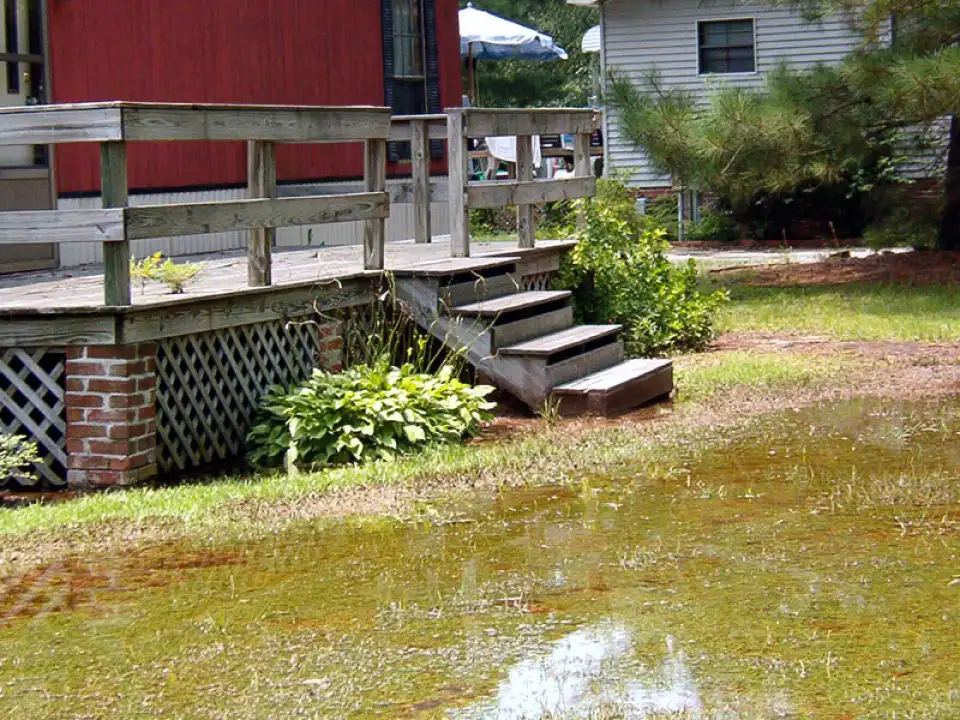
Many Brighton homeowners accept soggy gardens as part of winter. Lawns stay wet, borders feel soft underfoot, and puddles linger longer than they should. While this can be inconvenient, it is often dismissed as harmless. What is less obvious is how winter drainage problems can quietly affect the stability of nearby trees.
Poor drainage does not just affect plants at surface level. It changes how soil behaves around tree roots, especially during prolonged wet weather. Over time, this can weaken anchorage and increase the risk of movement or failure during winter storms. Understanding this connection helps you decide when monitoring is enough and when it makes sense to get professional advice.
Why Winter Drainage Problems Are Common in Brighton
Winter brings a different set of challenges to Brighton gardens compared to summer. Rainfall increases, evaporation slows, and soil stays saturated for longer periods.
In many parts of Brighton and Hove, gardens sit on clay-heavy or mixed soils. Clay drains slowly and becomes compacted easily. In coastal areas, wind-driven rain and uneven ground can worsen surface pooling. Even gardens that cope well in warmer months can struggle once winter sets in.
Drainage problems often appear gradually. A garden that takes a day to dry after rain in autumn may still feel wet several days later in winter. This change is important because trees rely on stable soil conditions to remain secure.
How Waterlogged Soil Affects Tree Roots
Tree roots need both water and air. Healthy soil contains small air pockets that allow roots to breathe. When soil becomes saturated, these air spaces fill with water, reducing oxygen levels around the roots.
Over time, oxygen-starved roots weaken. They lose their ability to absorb nutrients effectively and begin to decay. In winter, when trees are already under stress from cold and wind, this loss of root strength matters more than many people realise.
As roots weaken, their grip on the surrounding soil reduces. This does not always cause immediate visible movement, but it sets the conditions for instability once strong winds arrive.
The Link Between Poor Drainage and Tree Stability
Tree stability depends on the strength of the root plate and the soil holding it in place. In winter, waterlogged soil becomes softer and less supportive.
This is why trees sometimes lean after heavy rain rather than during storms themselves. The wind applies force, but the softened ground fails to resist it. A tree that stood firm for years can begin to shift once drainage problems develop.
In Brighton, this risk increases during periods of persistent rain followed by high winds. The tree does not need to fall to cause concern. Even small changes in position can indicate reduced stability below ground.
Warning Signs Drainage Problems May Be Affecting Your Trees
Drainage-related instability often shows subtle signs before anything dramatic happens. These are the changes worth paying attention to.
You may notice that soil around the base of a tree sinks slightly or remains wet long after surrounding areas have dried. Roots may start to appear at the surface, or the ground may feel spongy when walked on.
Fungal growth or mushrooms near the trunk can also indicate excess moisture and decaying organic matter below ground. While this does not always mean a tree is unsafe, it does suggest conditions that deserve attention.
Above ground, you might see increased movement during windy weather or a slight lean that was not present before. These signs are easiest to spot when you know to look for them.
When Drainage Issues Can Be Monitored
Not every drainage issue is immediately dangerous. Gardens with mild surface pooling away from trees, or areas that dry gradually without affecting root zones, can often be monitored.
Trees that are well clear of buildings, roads, and footpaths also present less immediate risk. In these cases, keeping an eye on changes through the winter may be enough.
Monitoring works best when conditions are stable. If soil conditions continue to worsen or signs begin to combine, it is time to reassess.
When Poor Drainage Needs Professional Assessment
Drainage problems should be assessed when they affect trees close to homes, neighbouring properties, driveways, or public paths. The closer a tree is to something valuable, the smaller the margin for error.
If you notice a tree leaning after rain, exposed roots, or repeated movement during windy weather, professional advice is sensible. The same applies if the ground around the trunk has softened significantly compared to previous winters.
A professional assessment is not about immediate action. It is about understanding risk and deciding on the safest next step.
Why Winter Makes Drainage-Related Problems Worse
Winter creates a cycle that can gradually undermine stability. Repeated rainfall prevents soil from drying. Cold temperatures slow recovery. Each storm applies force when the soil is at its weakest.
Waiting until spring often means waiting until damage has already occurred. Once a tree has shifted significantly, options become more limited and more disruptive.
This is why inspections carried out during winter are often preventative rather than reactive. They identify problems while there is still time to manage them safely.
What a Drainage and Tree Stability Check Involves
A professional assessment focuses on observation and judgement, not assumptions.
It usually involves inspecting the soil around the tree, checking root exposure, and assessing how the tree responds to its environment. The tree’s position, size, species, and proximity to buildings are all considered together.
You should expect clear explanations rather than technical language. In many cases, the outcome is reassurance or simple monitoring advice rather than work.
Why Local Knowledge Matters in Brighton
Drainage and tree behaviour vary widely across Brighton and Hove. Soil conditions near the coast differ from those further inland. Some areas experience more wind exposure, while others struggle with surface runoff.
Local experience helps interpret these factors correctly. Someone familiar with Brighton’s gardens understands which conditions are typical and which are cause for concern.
This is why many homeowners choose Brighton Tree Surgeon for winter inspections. Local knowledge allows for balanced advice based on real conditions, not general assumptions.
Situations Where You Should Act Straight Away
Some drainage-related signs should not be delayed.
If a tree has begun leaning noticeably after storms, if roots have lifted, or if ground cracking appears near the trunk, professional advice is urgent. The same applies if trees are close to buildings, walls, or roads.
These situations are not suitable for monitoring or DIY solutions.
A Simple Self-Check to Help You Decide
If you are unsure, ask yourself three questions.
Has the ground around the tree changed compared to previous winters?
Has the tree moved or begun leaning after heavy rain?
Is the tree close to something that could be damaged?
If you answer yes to two or more, it is sensible to have the situation checked.
Final Thoughts
Garden drainage problems in winter often look minor at first. Over time, however, poor soil conditions can quietly affect tree stability, especially during Brighton’s wet and windy months.
Acting early does not mean committing to work. It means understanding what is happening and protecting your property, your garden, and your peace of mind.
If you are unsure whether drainage issues are affecting a tree on your property, a professional inspection can provide clarity. Brighton Tree Surgeon offers honest winter assessments across Brighton and Hove, helping homeowners make informed decisions before damage occurs.