
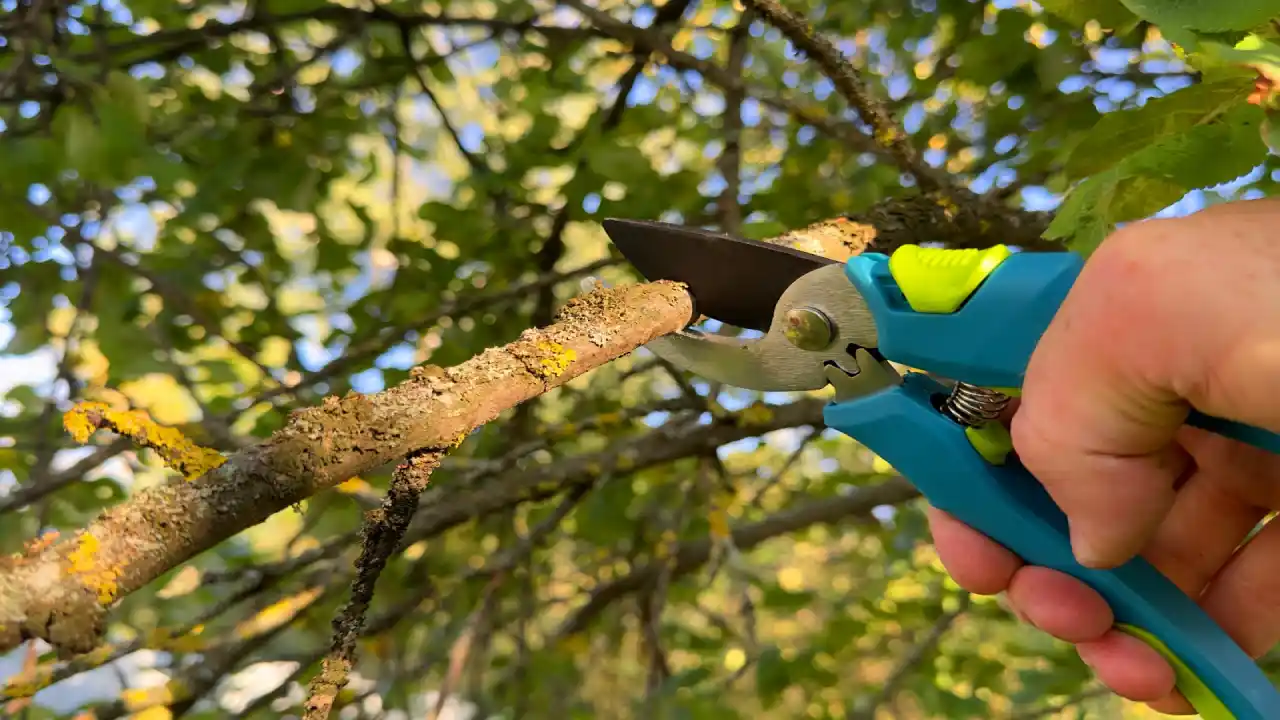
Tree pruning is an essential part of maintaining healthy, safe, and attractive trees in gardens across the United Kingdom. Whether you have mature oak trees, ornamental garden trees, or fruit trees, pruning helps manage growth, remove damaged branches, and improve overall structure. However, timing is extremely important. Pruning trees at the wrong time can weaken them, encourage disease, or reduce flowering and fruit production.
In most cases, the best time for tree pruning in UK is during late winter while trees are dormant. Pruning during the dormant season reduces stress on the tree, allows arborists to see the structure clearly, and encourages strong growth when spring arrives. Understanding how seasonal conditions affect tree growth helps homeowners maintain healthier trees and prevent potential safety risks.
Why Tree Pruning Is Important for Tree Health
Regular tree pruning provides several benefits that go beyond improving the appearance of a garden. Proper pruning techniques help trees develop stronger structures and reduce the likelihood of branch failure.
Removing Dead or Diseased Branches
One of the main reasons trees require pruning is to remove deadwood and diseased branches. Dead branches can fall unexpectedly, particularly during strong winds or storms, creating hazards for people, vehicles, and nearby buildings. Removing these branches improves safety and prevents decay from spreading throughout the tree.
Improving Tree Structure and Stability
Professional pruning techniques such as crown thinning and crown reduction, and crown lifting help maintain a balanced tree structure. Removing overcrowded or poorly positioned branches allows the tree to distribute weight more evenly and grow in a healthier form.
Encouraging Healthy Growth
Pruning encourages trees to produce new shoots and stronger branches. By selectively removing certain growth points, arborists can guide how a tree develops over time. This is particularly beneficial for young trees that require formative pruning to establish strong frameworks.
Preventing Damage to Property
Overgrown branches often extend over roofs, fences, and driveways. Pruning helps prevent branches from damaging structures or blocking sunlight in gardens. In urban environments, regular tree maintenance is especially important to keep trees safe and manageable.
When Is the Best Time of Year for Tree Pruning in UK?
The best time for tree pruning in UK is generally late winter to early spring, when trees are still dormant but the harshest winter conditions have passed. During this dormant period, trees temporarily stop active growth, making pruning less stressful for the plant.
Why Winter Is Often the Best Time for Tree Pruning
Winter pruning provides several advantages. Without leaves covering the branches, arborists can clearly see the tree’s structure and identify which branches need removal. This improves the accuracy of pruning decisions.
Pruning in winter also encourages vigorous growth in spring. Once temperatures rise and the growing season begins, trees quickly produce new shoots around pruning cuts.
Why Dormant Season Pruning Is Safer for Trees
Pruning while trees are dormant reduces the risk of infection and disease. Many tree pathogens and pests are less active during colder months, which means fresh pruning wounds are less likely to become infected.
How UK Weather Influences Pruning Timing
The UK climate plays an important role in determining when pruning should occur. Severe frost can damage freshly cut branches, so pruning is usually scheduled for late winter rather than mid-winter. Arborists typically plan pruning work between January and early March depending on weather conditions.
Tree Pruning Seasons Explained
Although late winter is considered the best time for most tree pruning, different seasons can also be suitable depending on the type of tree and the pruning goals.
Winter Tree Pruning
Winter pruning is ideal for most deciduous trees, including oak, maple, and birch. Because the trees are dormant, pruning causes minimal stress and allows for strong regrowth when spring arrives.
Spring Tree Pruning
Spring pruning is sometimes necessary to remove damaged branches caused by winter storms. However, heavy pruning should generally be avoided once new growth begins because it can weaken the tree during its active growth phase.
Summer Tree Pruning
Light pruning during summer can help control growth and improve tree shape. This is often used for removing small branches or maintaining ornamental trees. Summer pruning may also reduce excessive growth in fast-growing species.
Autumn Tree Pruning
Autumn is usually the least suitable time for major pruning. Trees begin preparing for winter dormancy during this period, and pruning cuts may heal more slowly. In addition, damp autumn conditions can increase the risk of fungal infections.
Best Pruning Time for Different UK Tree Species
Different tree species respond differently to pruning. Understanding the growth habits of common UK trees helps determine the most suitable pruning schedule.
Oak Trees
Oak trees are best pruned during late winter. This timing reduces the risk of diseases such as oak wilt and allows the tree to recover quickly in spring.
Maple and Birch Trees
Maple and birch trees can “bleed” sap if pruned in early spring. For this reason, pruning is often carried out during late winter or mid-summer when sap flow is less active.
Fruit Trees
Fruit trees such as apple, pear, and plum benefit from regular pruning to encourage fruit production. Winter pruning helps shape the tree, while light summer pruning may be used to control excessive growth.
Conifers and Hedges
Evergreen trees and hedges such as leylandii are usually trimmed in late spring or early summer. Regular maintenance helps keep hedges dense and prevents them from becoming overgrown.
When You Should Avoid Pruning Trees
While pruning is beneficial for tree health, there are certain situations when pruning should be avoided.
Bird Nesting Season
In the UK, the Wildlife and Countryside Act protects nesting birds. The main bird nesting season typically runs from March to August, and pruning trees during this period may disturb active nests. It is important to inspect trees carefully before carrying out any work.
Severe Frost Conditions
Pruning during extreme frost can damage tree tissues. Cold temperatures may cause freshly cut branches to crack or fail to heal properly.
Over-Pruning
Removing too many branches at once can place unnecessary stress on a tree. Professional arborists generally avoid removing more than 20–25 percent of a tree’s canopy during a single pruning sessio
Signs Your Tree Needs Pruning
Trees often show visible signs when pruning is required. Recognising these signs early can help prevent larger problems in the future.
Dead or Broken Branches
Dead branches are often the first indication that pruning is necessary. Removing these branches improves both safety and tree health.
Overhanging Branches Near Buildings
Branches that extend over roofs or power lines can cause property damage. Pruning prevents branches from rubbing against structures or falling during storms.
Trees Blocking Sunlight
Large trees sometimes block sunlight from reaching lawns, patios, or nearby plants. Crown thinning allows more light to pass through the canopy without removing the entire tree.
Branches Growing Too Close to Structures
Branches touching roofs, windows, or fences can create long-term structural problems. Pruning keeps trees at a safe distance from buildings.
Professional Tree Pruning vs DIY Tree Cutting
While small pruning tasks may be manageable for homeowners, larger trees often require professional expertise.
Safety Risks of DIY Tree Pruning
Tree pruning frequently involves working at height with sharp tools such as chainsaws and pruning saws. Without the proper equipment and training, these tasks can be extremely dangerous.
Professional Tree Surgery Techniques
Qualified tree surgeons use specialised techniques such as crown reduction, crown thinning, and structural pruning to maintain tree health while preserving natural growth patterns.
Tools Used by Tree Surgeons
Professional arborists rely on a range of equipment including:
- chainsaws
- pole saws
- climbing harnesses
- rigging systems
These tools allow safe access to high branches and enable precise pruning.
When to Hire a Professional Tree Surgeon in Brighton
Some pruning tasks are best handled by experienced professionals. Large trees, trees close to buildings, or trees showing signs of disease often require specialist knowledge and equipment.
Homeowners in Brighton, Hove, and across East Sussex often rely on professional tree surgeons to safely manage mature trees. Qualified arborists can assess tree health, identify structural risks, and carry out pruning work in accordance with arboriculture standards.
Professional tree pruning ensures that trees remain healthy, stable, and well-maintained while reducing potential risks to property.
Final Thoughts
Tree pruning plays an important role in maintaining healthy trees and safe outdoor spaces. In the UK, the best time for most pruning work is during late winter while trees are dormant, allowing them to recover quickly and produce strong new growth in spring.
Understanding seasonal pruning patterns, recognising when trees require maintenance, and following proper arboriculture practices can significantly improve the health and longevity of garden trees. For larger trees or complex pruning tasks, professional tree surgeons can ensure that pruning is carried out safely and effectively.
If you need professional tree pruning or expert advice, Brighton Tree Surgeon provides reliable tree care services for homeowners across Brighton and the surrounding areas. Their experienced team can assess tree health, carry out safe pruning, and help keep your garden trees healthy, well-shaped, and properly maintained throughout the year
FAQs
What month is best for tree pruning in UK?
Late winter, usually between January and early March, is considered the best time for pruning most trees in the UK because the trees are dormant.
Can you prune trees in summer?
Yes, light pruning can be carried out in summer to remove small branches or control growth, although major pruning is usually done in winter.
How often should trees be pruned?
Most mature trees benefit from pruning every three to five years, while younger trees may require more frequent shaping.
Is winter pruning safe for trees?
Winter pruning is generally safe and beneficial because trees are dormant and less vulnerable to stress or disease.
Can pruning damage a tree?
Improper pruning techniques or removing too many branches can harm a tree. Professional pruning ensures cuts are made correctly to promote healthy growth.