
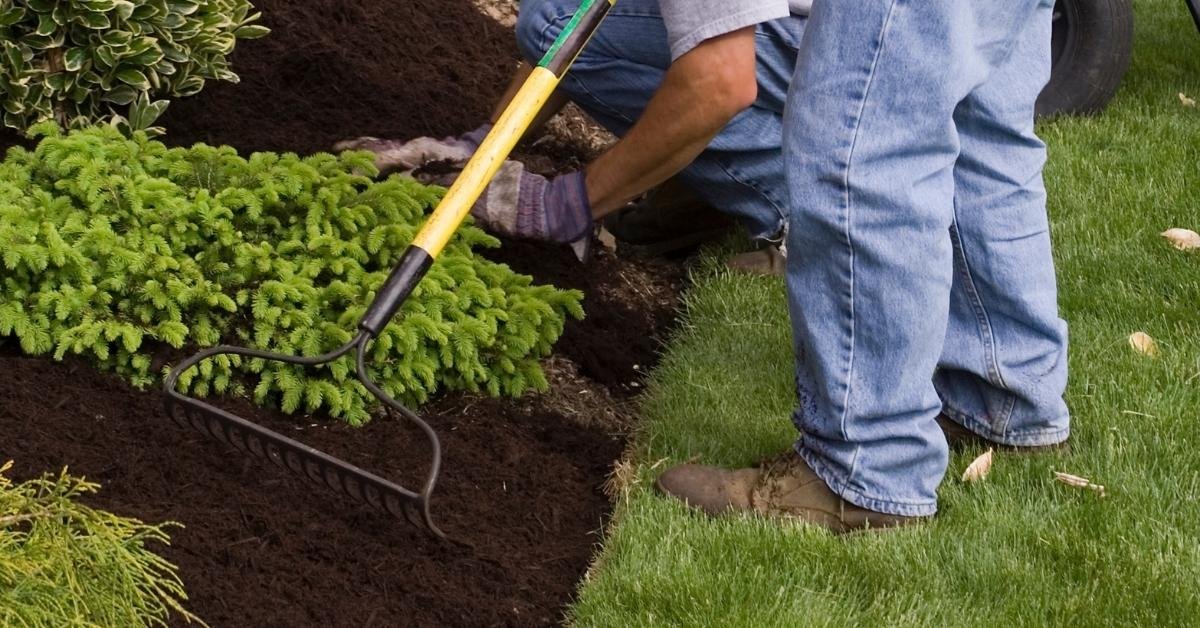
Winter in Brighton is often milder than in many parts of the UK, but that does not mean garden trees can be left to fend for themselves. Coastal winds, damp conditions and the occasional hard frost can all take their toll, particularly below ground where damage is easy to miss. One of the simplest and most effective ways to protect trees through winter is proper mulching.
Mulching helps stabilise soil temperature, protects roots, and improves overall soil health. Done correctly, it supports strong growth when spring returns. This guide explains what mulching really does, when to do it, and what works best for Brighton gardens.
Why Mulching Trees in Winter Matters
Tree roots are far more sensitive to cold than most people realise. While branches may look fine above ground, the roots just below the surface can suffer from frost, excess moisture, or compacted soil.
In Brighton, winter brings a mix of damp soil and gusty winds. Mulch acts as a protective layer that helps insulate the root zone. It slows down sudden temperature changes, prevents soil from drying out during cold spells, and reduces erosion caused by wind and rain.
Healthy roots mean healthier trees. Mulching is not just about winter protection; it is about long-term tree health and resilience.
When Is the Best Time to Mulch Trees in Winter?
Timing plays an important role in how effective mulching is.
Mulching before the first frost
The best time to mulch trees in Brighton is late autumn, once the soil has cooled but before the ground freezes. This allows the soil to retain warmth while protecting roots from sudden drops in temperature.
Mulching during winter
If winter has already started and mulch has not yet been applied, it is still worth doing. Brighton’s winters are usually mild enough for mulching to be effective throughout the season, especially during dry or windy periods.
Brighton’s climate and flexibility
Because severe frosts are less frequent here, mulching can be adjusted depending on weather patterns. After particularly wet spells, mulching also helps prevent soil from compacting and losing oxygen.
What Is the Best Mulch for Trees in Winter?
Not all mulch is the same. Choosing the right material makes a big difference to how well your trees cope over winter.
Organic mulches that work well
For Brighton gardens, organic mulches are the best option. These include bark chips, wood chippings, compost and leaf mould. They insulate the soil while slowly breaking down and improving soil structure.
Bark and wood chips are especially useful in exposed gardens as they are heavier and less likely to blow away. Leaf mould is excellent for improving moisture retention in lighter soils.
Mulches to avoid
Avoid using fresh grass cuttings, thick layers of manure, or plastic sheeting. These can trap too much moisture, restrict airflow, and encourage rot around tree roots.
Soil type matters
Brighton gardens often have chalky or clay-heavy soil. Organic mulch helps improve drainage in clay soil and moisture retention in chalky ground, making it a good all-round solution.
How to Mulch Trees Properly
Applying mulch correctly is just as important as choosing the right material.
How deep should mulch be
A layer around 5 to 8 centimetres deep is ideal. This is enough to insulate the soil without preventing air and water from reaching the roots.
Keep mulch away from the trunk
Always leave a small gap between the mulch and the tree trunk. Piling mulch directly against bark can trap moisture and lead to rot or fungal problems.
Young trees versus mature trees
Young trees benefit from slightly thicker mulching, as their roots are closer to the surface. Mature trees still benefit from mulching, but focus on spreading it across the wider root area rather than building it up deeply in one spot.
Common mistakes to avoid
Over-mulching is a common issue. Too much mulch can smother roots and encourage pests. Spread it evenly and check it periodically through winter.
Benefits of Winter Mulching for Tree Health
Mulching offers several long-term benefits beyond frost protection.
Root insulation and frost protection
Mulch keeps soil temperature more stable, reducing the stress caused by repeated freezing and thawing.
Moisture control
During cold, dry spells, mulch helps soil retain moisture. During wet periods, it reduces surface compaction and runoff.
Improved soil health
As organic mulch breaks down, it feeds soil organisms and improves structure. This leads to better nutrient availability when growth resumes in spring.
Protection from erosion
Brighton’s coastal winds can dry out and erode exposed soil. Mulch acts as a protective barrier, keeping soil in place around roots.
Special Mulching Tips for Brighton’s Coastal Climate
Gardens close to the coast face unique challenges.
Managing wind
In exposed areas, use heavier mulch such as bark chips and water it lightly after spreading to help it settle.
Avoiding waterlogging
If your garden is prone to pooling water, apply mulch more thinly and improve drainage first. Mulch should protect roots, not trap excess moisture.
Sloped or raised gardens
On slopes, spread mulch evenly and avoid thick piles that could wash away during heavy rain.
Should Evergreen and Deciduous Trees Be Mulched Differently?
Most trees benefit from mulching, but there are small differences to consider.
Evergreen trees
Evergreens continue to lose moisture through their leaves during winter. Mulching helps retain soil moisture and supports root health.
Deciduous trees
Once leaves fall, deciduous trees enter dormancy. Mulching at this stage helps protect roots while the tree rests.
Newly planted trees
Trees planted within the last two years need extra attention. Their roots are still shallow, making mulching especially important for winter survival.
How Mulching Fits Into Your Winter Tree Care Routine
Mulching works best when combined with other winter care steps.
Link mulching with soil preparation
If you have already improved your soil in autumn, mulching helps lock in those benefits over winter.
Combine with inspections and light pruning
Removing weak branches and clearing debris before mulching reduces disease risk and improves airflow.
Think long term
Mulching should be part of a regular maintenance routine, not a one-off task. Consistent care leads to healthier, more resilient trees.
When to Call a Professional for Winter Tree Care
Mulching is straightforward, but it may not be enough on its own in some cases.
You should consider professional help if:
- Soil stays waterlogged despite mulching
- Trees show signs of disease or decay
- Roots are exposed or damaged
- Trees are large, mature, or close to buildings
Brighton Tree Surgeon provides winter tree care tailored to local conditions. From root inspections and mulching to pruning and soil improvement, our team helps keep Brighton gardens healthy and safe throughout the colder months.
Final Thoughts
Mulching trees in winter is one of the easiest ways to support healthy roots, improve soil condition, and protect trees from Brighton’s winter weather. With the right materials and a careful approach, it makes a real difference to how well trees cope through the colder months and how strongly they grow in spring.
If you would like expert advice or help with winter tree care, contact Brighton Tree Surgeon. Our local team understands Brighton’s soil, climate and garden conditions and can help you protect your trees all year round. Book a winter tree care visit today and give your garden the care it deserves.
Frequently Asked Questions About Mulching Trees in Winter
Should I mulch trees before frost?
Yes. Mulching before frost helps protect roots from sudden temperature drops.
Can mulching prevent frost damage?
Mulching reduces the risk but cannot eliminate it entirely. It works best as part of a full winter care routine.
How thick should winter mulch be?
Around 5 to 8 centimetres is usually enough.
Can too much mulch harm trees?
Yes. Over-mulching can trap moisture and reduce airflow.
When should mulch be removed?
Mulch can be thinned or refreshed in spring as temperatures rise.