
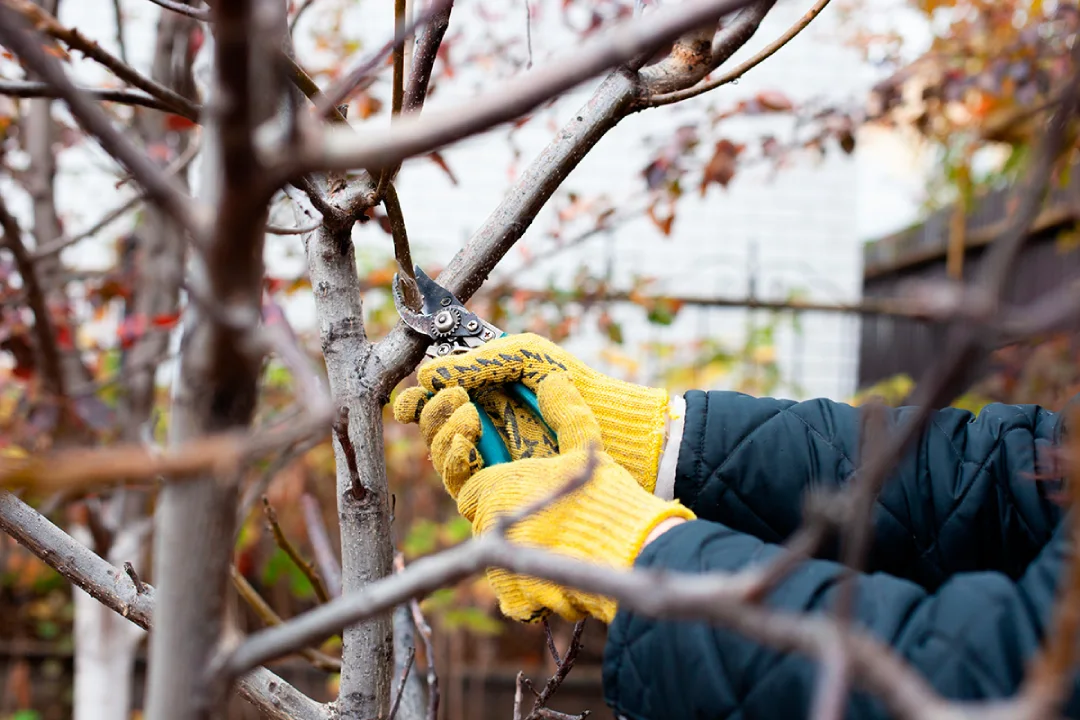
Autumn is a key season for garden care in Brighton. As leaves begin to fall and daylight shortens, trees start to wind down for winter. This shift makes autumn one of the most suitable times to carry out essential pruning. With Brighton’s mix of coastal winds, salt in the air and occasional sharp frosts, a little maintenance now can help trees stay healthy and stable through the colder months.
Many homeowners are unsure when to prune, what to remove and how to prune without harming the tree. Done properly, autumn pruning improves airflow, removes weaker branches before storms and supports better growth in spring. This guide explains when and how to prune trees safely, along with local considerations for Brighton gardens.
Why Autumn Is an Important Time to Prune Trees
Although pruning can be carried out at different times of the year, autumn brings several advantages for most deciduous species. Once leaves begin to fall, the tree’s structure becomes easier to assess. Branches that are crossing, damaged or weakened become more visible, making it the ideal time to tidy them before winter.
Brighton’s coastal winds increase pruning needs
Homes close to the seafront or exposed hillsides often deal with stronger winds. Trees with dense or unbalanced canopies catch the wind more easily and are more likely to lose branches. Light thinning in autumn can reduce this risk.
Pruning aligns with the natural growth cycle
When trees enter dormancy, they pause active growth. This makes pruning less stressful and supports a healthier start when spring arrives.
Autumn pruning helps trees face winter storms
Removing weak or damaged branches now prevents them from breaking in winter storms, protecting gardens, roofs and fences from unnecessary damage.
When Should You Prune Trees in the Autumn?
Timing is one of the most common questions among Brighton homeowners. While exact timing depends on the tree species, most autumn pruning should be carried out from late September onwards, once the main leaf fall has begun.
Ideal timing for deciduous trees
Once most leaves have dropped, the tree’s structure is clearer and pruning becomes safer and more precise. This is a suitable time for species such as sycamore, ash, birch and maple.
Evergreens and fruit trees
Evergreens often need far less pruning and should be handled with care. Fruit trees, such as apples and pears, benefit from light shaping after fruiting to prepare for next year’s growth.
Trees you should not prune in autumn
Certain species bleed sap heavily if pruned at this time. Cherry, plum and other stone fruit trees are better pruned in late spring or early summer to reduce the risk of disease.
How to Prune Trees Correctly in Autumn
Good pruning encourages healthy growth and reduces the likelihood of damage during winter. The aim is not to remove large amounts of wood but to improve structure and safety.
Start with an inspection
Look for dead branches, split wood, rubbing limbs or cracks around joints. These areas should be addressed first.
Remove weak or crossing branches
Branches that rub together create wounds where moisture and rot can set in. Removing one of the crossing branches prevents future problems.
Improve airflow and reduce wind resistance
Brighton’s coastal winds can put pressure on trees with dense growth. Light thinning allows air to move through the canopy and reduces the strain on the trunk and roots.
Avoid overcutting
Taking too much at once weakens the tree. Leave strong growth in place and only remove what is necessary to maintain structure and safety.
Step-by-Step Guide: Safe Autumn Pruning for Brighton Gardens
To help Brighton homeowners prune safely and confidently, here is a simple process to follow:
- Begin by identifying any branches that are dead, broken or hanging loosely.
- Make small and clean cuts using sharp tools to avoid tearing the bark.
- Cut just outside the branch collar, where the tree naturally seals the wound.
- Thin crowded areas gently, focusing on balance rather than heavy shaping.
- Tidy away all cuttings to prevent pests and keep the garden clear.
If a branch is large, high, or difficult to reach, it is safer to involve a professional.
Tree Species That Benefit Most From Autumn Pruning
Many Brighton gardens feature a mix of deciduous, evergreen and fruit trees. Some respond particularly well to autumn pruning.
Deciduous trees
Sycamore, ash, birch and similar species thrive after light structural shaping once leaves fall.
Fruit trees
Apple and pear trees respond well to a post-harvest tidy. Pruning at this time allows them to direct energy into forming buds for the next season.
Coastal-tolerant species
Trees such as hawthorn, pine and hornbeam often grow in exposed locations. Thinning tangled branches helps them cope better with strong winds.
When You Should Avoid DIY Pruning
While many homeowners can safely handle light pruning, some situations call for professional help.
Trees near power lines or structures
Branches close to overhead wires or buildings require experienced handling. Attempting this yourself can be dangerous.
Large or heavy branches
Removing significant limbs without training or proper equipment is risky. Incorrect cuts can cause severe damage to the tree or injure the person cutting it.
Signs of disease
If a tree shows unusual growths, fungus, heavy sap flow or widespread dieback, it’s best to have it assessed. A trained arborist can identify problems and recommend the right approach.
Professional pruning also ensures work is carried out in line with industry standards such as BS3998, which protects tree health and long-term structure.
Autumn Pruning and Brighton’s Local Tree Regulations
Brighton has many conservation areas and protected trees, especially in older parts of the city. Homeowners should be aware of these rules before pruning.
Tree Preservation Orders (TPOs)
If a tree is protected by a TPO, you must request permission before doing any significant pruning. Cutting without approval can lead to fines.
Conservation area rules
If you live in a conservation area, the council requires notification before pruning trees above a certain size. This helps preserve Brighton’s landscape and heritage.
If you are unsure whether your tree is protected, a local tree surgeon can check this for you.
Eco-Friendly Handling of Autumn Pruning Waste
Keeping your garden clear after pruning is important for both safety and soil health.
Compost leaves and small branches
Leaf mould is excellent for improving soil texture. It can be made simply by storing leaves in breathable bags.
Use Brighton & Hove City Council’s green waste collections
This is a convenient way to dispose of larger volumes of waste responsibly.
Turn branch cuttings into mulch
Shredded branches can be used around garden beds to insulate soil over winter.
When to Call a Professional Tree Surgeon in Brighton
Autumn is one of the busiest seasons for tree work. If you notice damaged branches, have tall trees, or simply want peace of mind before winter, a professional can help.
Brighton Tree Surgeon offers:
- Autumn pruning and shaping
- Deadwood removal
- Crown thinning and storm preparation
- Tree inspections
- Safe handling of trees in conservation areas
- Green waste removal
Our team works across Brighton and Hove, following best practices to keep gardens safe, healthy and ready for the colder months.t
Final Thoughts
Autumn pruning is one of the most effective ways to protect your trees before winter arrives. With careful timing and the right techniques, you can prevent breakages, reduce storm damage and encourage strong growth when spring returns.
If you want expert support, tailored advice or help with pruning larger trees, get in touch with Brighton Tree Surgeon. Book your autumn pruning visit today. Your trees will be safer, healthier and ready for the season ahead.