
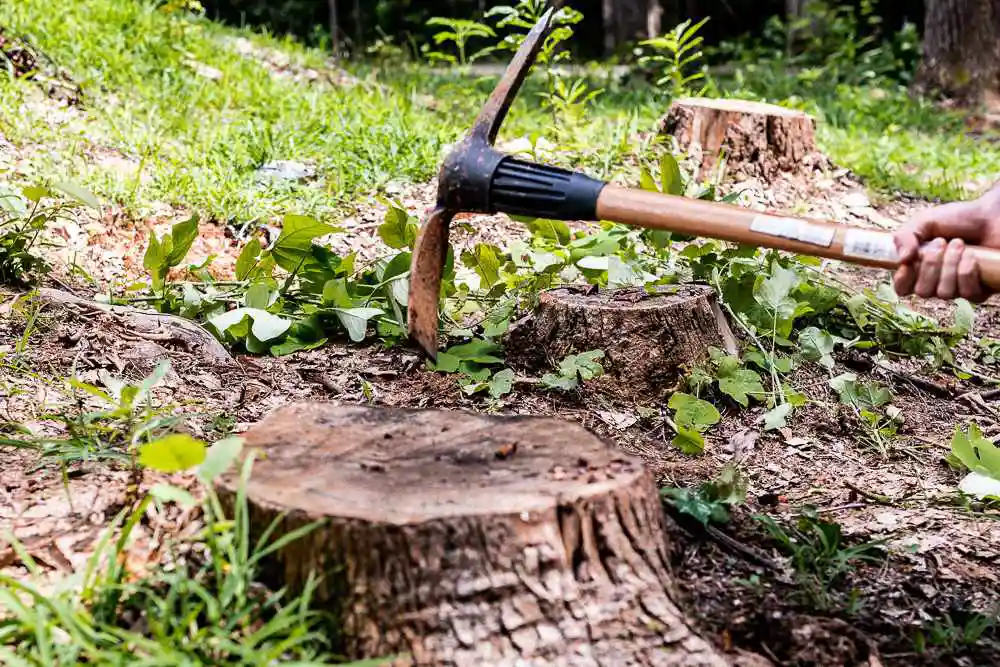
Removing a tree stump is a task that many gardeners and homeowners face. Whether to prepare your garden for planting, improve your outdoor space’s aesthetics, or prevent regrowth, learning how to remove a tree stump without grinding it is a valuable skill. This guide offers practical, step-by-step methods tailored to UK conditions and ensures that the advice is both actionable and straightforward.
Why Remove a Tree Stump?
Tree stumps left in your garden can cause a range of issues:
- Obstructing garden plans: Stumps take up valuable space you could use for other plants or features.
- Encouraging pests: Decaying wood attracts insects like termites or beetles.
- Risk of sprouting: Some stumps produce new growth unless fully removed.
- Tripping hazard: Stumps can be dangerous, especially in family-friendly gardens.
By addressing these issues, you’ll enjoy a cleaner, safer, and more attractive landscape.
Safety First: Essential Gear for Stump Removal
Before tackling any tree stump, prioritise your safety. Stump removal can involve sharp tools, heavy labour, and potentially hazardous chemicals. Always equip yourself with the right protective gear:
- Steel-toed boots to protect your feet.
- Gardening gloves to shield your hands from splinters and blisters.
- Protective goggles for eye safety when digging or using tools like axes.
- Face mask when handling chemicals or working in dusty conditions, especially with dry soil.
Additionally, ensure that your tools, such as shovels and mattocks, are in good working condition and appropriate for UK soil types, which often include dense clay or rocky areas.

Methods to Remove a Tree Stump Without a Grinder
There are various ways to remove a tree stump depending on your preferences and available tools. Below are some effective methods that don’t require grinding.
1. Manual Stump Removal
Manual removal involves physically digging out the tree stump using basic tools.
Materials Needed:
Mattock (a versatile tool for breaking soil and cutting roots)
- Shovel
- Axe or bow saw
- Rope (for additional leverage if needed)
Steps:
Prepare the Area:
- Clear the area around the stump of debris and loose soil.
- Use the mattock’s flat side to break up any hard, compacted soil.

Expose the Roots:
- Dig deep around the base, exposing as many roots as possible.
- Use water from a hose to wash away stubborn dirt around thick root systems.

Cut the Roots:
Use an axe or bow saw to sever the exposed roots. Start with the smaller ones before moving on to the larger ones.

Extract the Stump:
Work the stump loose by rocking it back and forth. If stubborn, loop a sturdy rope around the base and pull while applying leverage with the mattock.

This method works best for small to medium-sized stumps. Clay-rich UK soils may require more time and effort due to their density.
Warning
It’s best not to use an axe unless you have been educated in handling one properly. If you’re not confident, try to use a bow saw for all your cutting. Exposing the roots may require more digging, but it will be safer.
2. Stump Removal Using Epsom Salt
Epsom salt is a popular, eco-friendly method that accelerates the rotting of a stump.

Materials Needed:
- Epsom salt (available at most UK garden centres)
- Drill
- Plastic tarp
- Water
Steps:
Drill Holes:
Drill multiple holes into the surface of the stump using a broad drill bit (about ½ inch diameter). The holes should be at least 8 inches deep and spaced across the stump.
Add Epsom Salt:
Fill each hole with Epsom salt. This dehydrates the stump and speeds up decay.
Water the Stump:
Add water to each hole, allowing the salt to dissolve and penetrate further.
Cover with a Tarp:
Secure a plastic tarp over the stump to keep it dry and promote decomposition. Weigh the tarp down with bricks or stones.
Wait and Monitor:
Over the next few months, the stump will soften and rot, making it easier to break apart and remove.
This method is especially effective for tree stumps in shaded or contained areas.
3. Removing Tree Stumps with Approved Chemicals
Chemical stump removal is another practical option. When using chemicals, ensure they meet UK safety standards.

Materials Needed:
Stump remover product (check garden centres for potassium nitrate-based options)
- Drill
- Tarp or mulch
- Water
Steps:
Drill Holes:
Similar to the Epsom salt method, drill deep holes across the stump.
Apply Chemicals:
Pour the stump remover granules into the holes, following the product instructions carefully.
Water and Cover:
Water the treated areas, then cover with a tarp or mulch to maintain moisture.
Decompose and Remove:
Allow several weeks for the stump to decompose. Once softened, breaking it apart and removing it will require minimal physical effort.
Warning
Potassium nitrate can be hazardous, so handle it carefully and follow all safety instructions when using it for stump removal.
4. Burning the Stump
Controlled burning is another way to break down a stump, though it’s subject to UK-specific laws. Always consult local ordinances before attempting this method.

Materials Needed:
- Drill
- Stump Out chemical (optional)
- Kerosene (not petrol)
Steps:
- Drill holes into the stump and optionally apply Stump Out granules.
- Slowly pour kerosene to saturate the stump; allow it to soak in for at least a few hours.
- Light the stump from a secure distance and monitor the burn closely.
- Once cooled, dig out the ashes and remaining roots.
This method is better suited for rural areas due to stricter fire regulations in urban areas.
Warning
Avoid using petrol or motor oil to burn a stump, as petrol is highly explosive and motor oil produces harmful, toxic smoke.
Eco-Friendly Stump Removal Methods
If you prefer a natural approach, consider these eco-friendly options:
Composting the Stump:
Cover the stump with soil, organic material, or compost and allow the natural organisms to break it down.
Encouraging Natural Decomposition:
Drill holes into the stump and leave it exposed to UK weather conditions. Over time, natural fungi and bacteria will break it down.
These methods are ideal for environmentally conscious gardeners and support soil health.
When to Remove a Tree Stump
You can tackle tree stump removal as soon as the tree has been felled. However, if you leave the stump to dry and age for a season or even a year, the wood often becomes less dense and easier to cut or remove. Manual methods work best when the stump is no longer green and the roots have had time to shrink. For chemical removal, starting soon after the tree is cut down is most effective.
How to Choose a Stump Removal Method
Choosing the right method depends on several factors:
- Stump Size: Smaller stumps are easier to remove by hand or with simple tools. Large stumps may require more time, effort, or chemical help.
- Type of Tree: Some tree species have tougher, more persistent roots that might demand more intensive removal techniques.
- Available Time: If you’re not pressed for time, natural decay or chemical methods allow you to remove the stump gradually and with little effort. If you need quick results, manual removal might be preferable, provided the stump isn’t too large.
- Resources and Assistance: If you have an extra pair of hands, manual removal is more manageable. Whenever working alone, ensure the method you choose matches what you can safely handle.
- Waste Disposal: After removal, check with your local council for the recommended way to dispose of large stump and root pieces, as policies may vary.
When to Call a Professional
While many tree stumps can be removed safely using hand tools or chemical methods, certain situations may call for expert help:
- Very large stumps or extensive root systems, where manual removal would be impractical or exhausting.
- Health or mobility concerns that make heavy digging or equipment use unsafe.
- Difficult locations, such as stumps close to buildings, fences, or power lines.
- Use of specialised equipment, like stump grinders, which may require training.
Professional stump removal services have both the experience and equipment to complete the job safely and efficiently, adhering to UK health and safety regulations. If you’re ever unsure about tackling stump removal yourself, it’s always wise to consult an expert.
FAQs
What is the easiest way to remove a tree stump?
Using Epsom salt to rot the stump is one of the easiest and least labour-intensive methods.
How long does it take for a tree stump to rot naturally?
Naturally, it can take 3-7 years for a stump to decompose, but methods like using Epsom salt can speed this up to a few months.
Can I remove a tree stump without special tools?
Yes, you can use basic tools like a shovel and a bow saw, or rely on natural methods like decomposition.
What is the best chemical for tree stump removal?
Potassium nitrate is commonly used, but it should be handled with care due to its hazardous nature.
Is it safe to burn a tree stump in my garden?
Burning can be safe if local regulations allow it, but avoid using petrol or motor oil as they are dangerous and toxic. Always monitor the fire closely.